
Last updated November 2, 2026
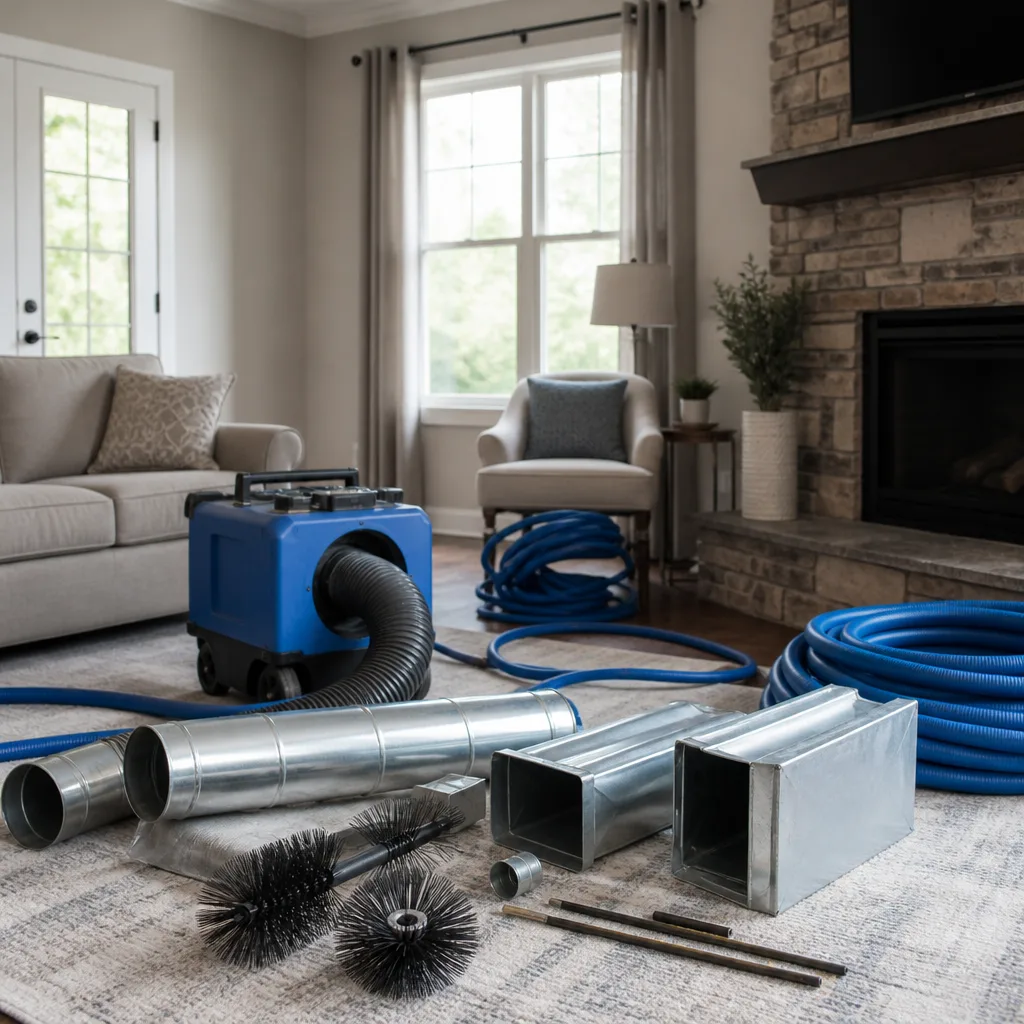 Whole-home duct cleaning
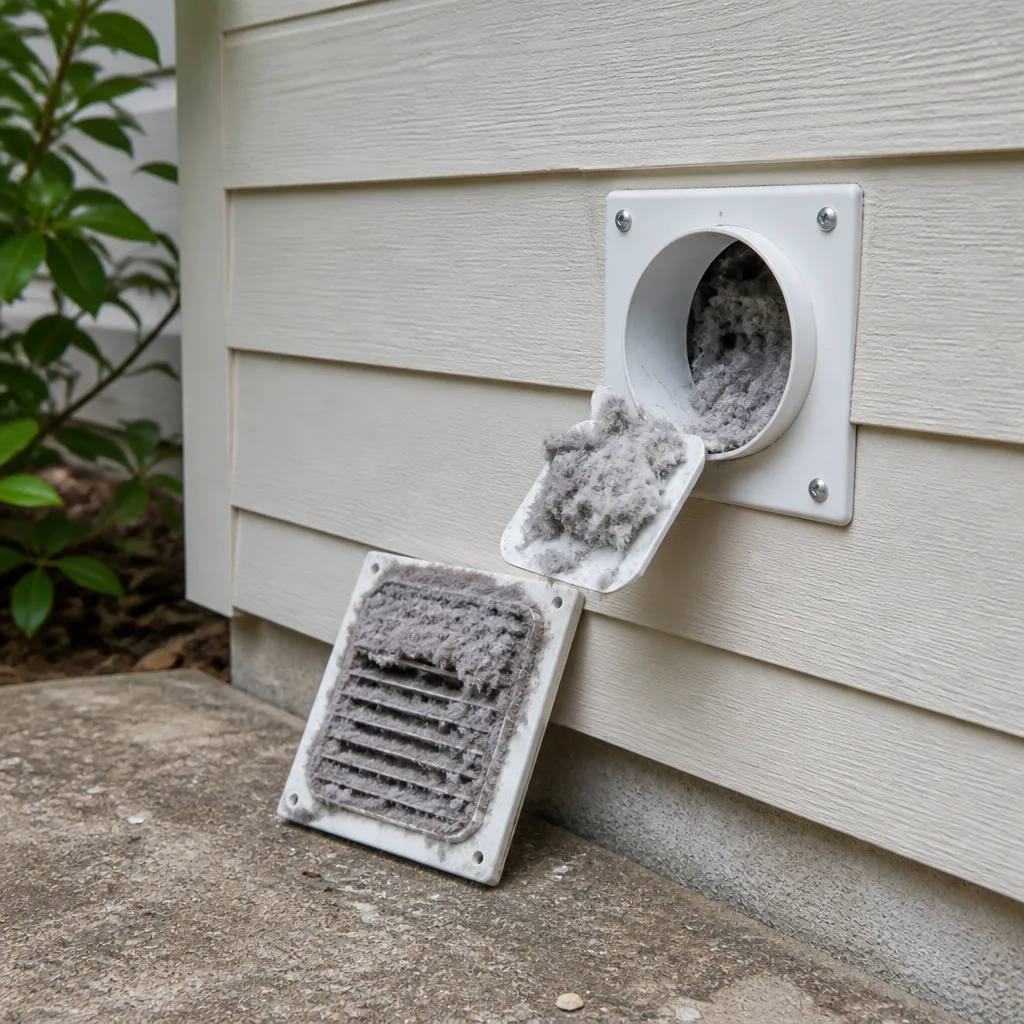 Dryer vent cleaning
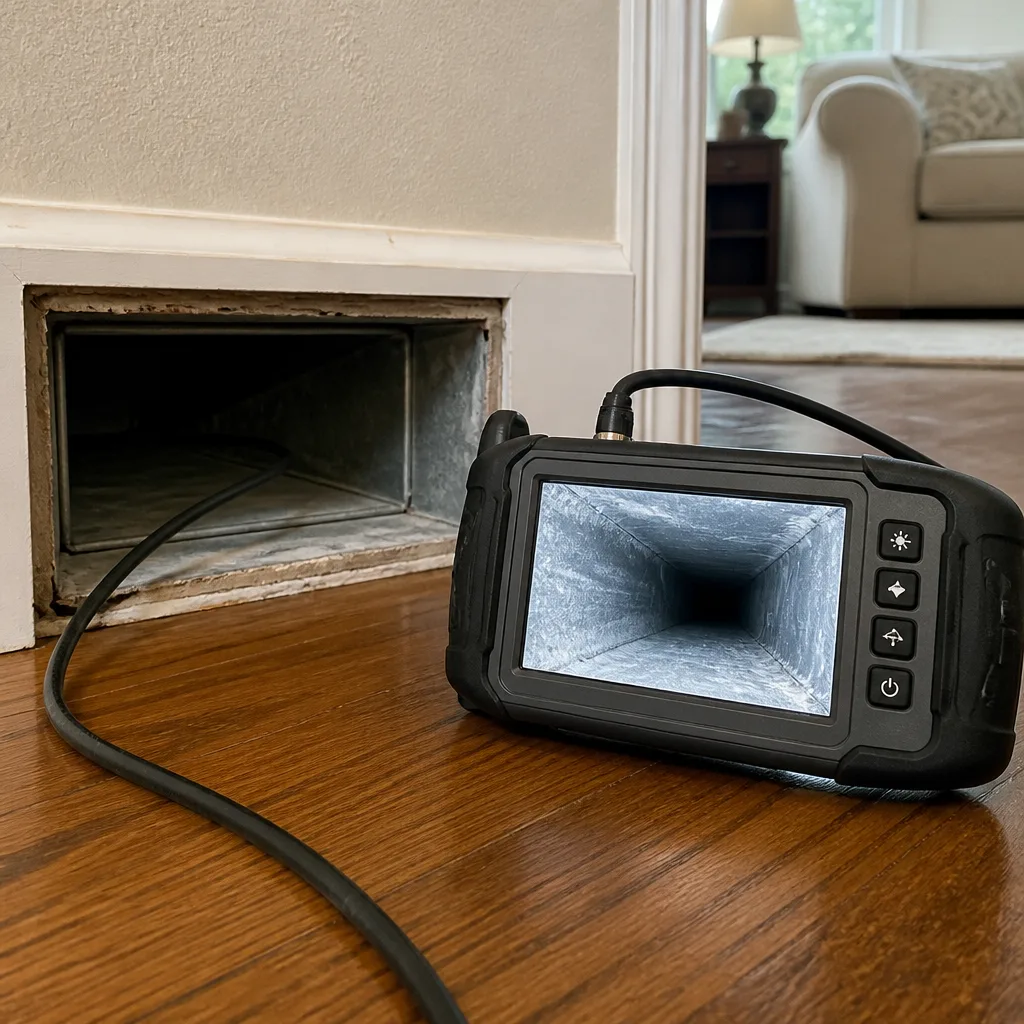 Camera inspection
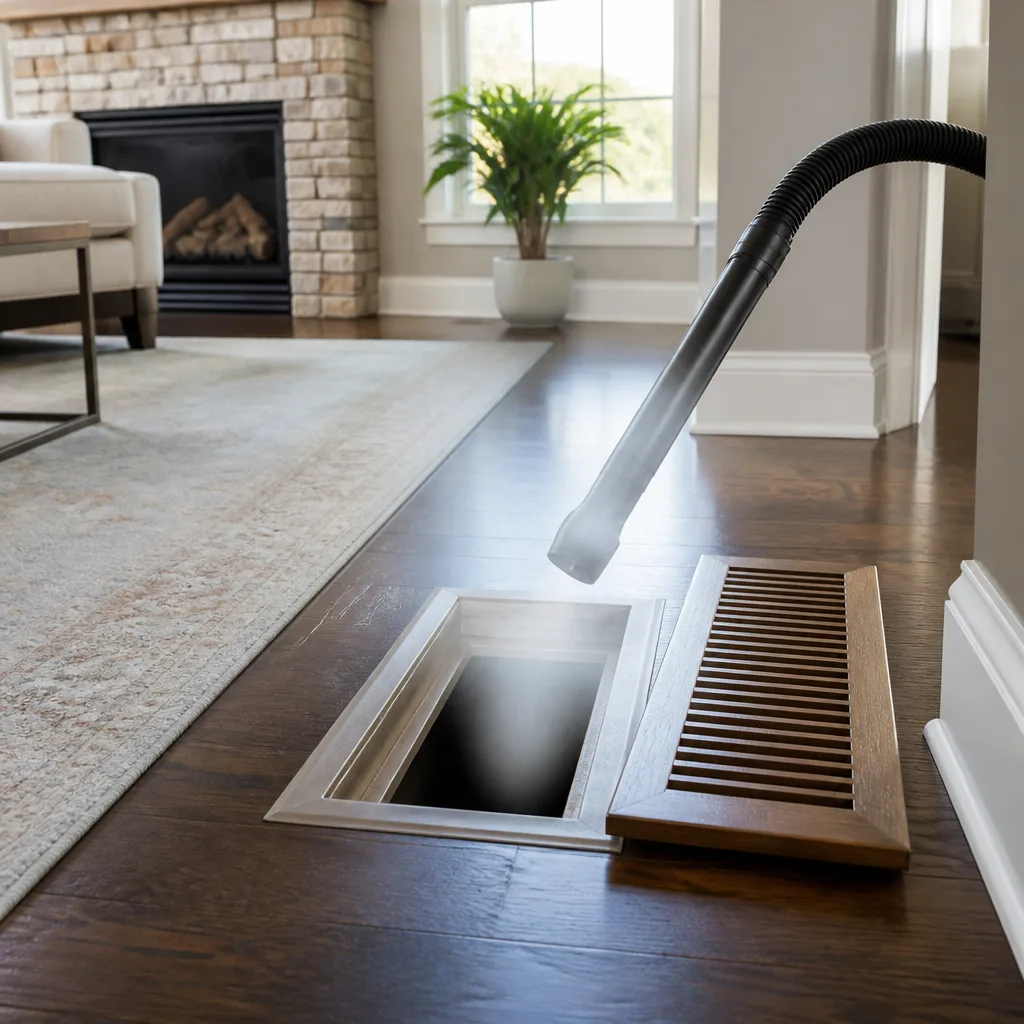 Sanitizing & deodorizing
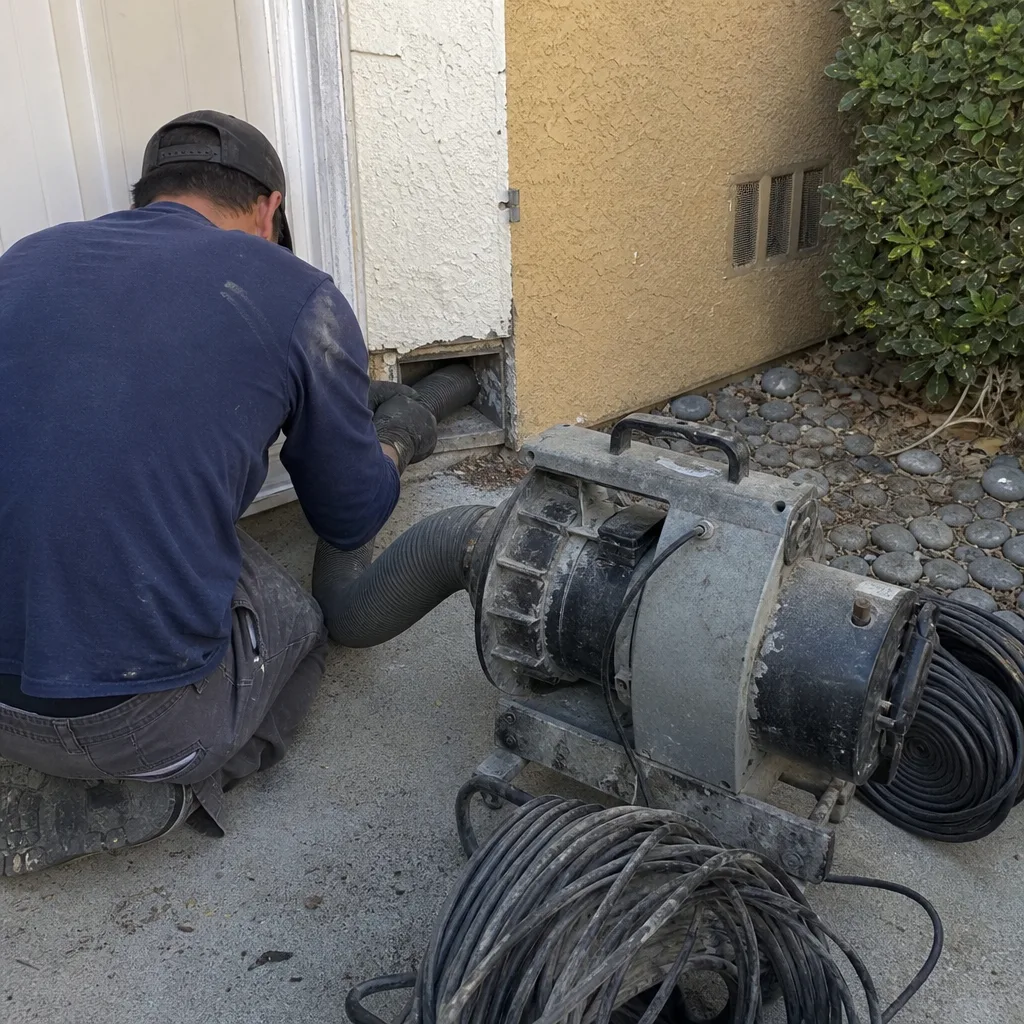
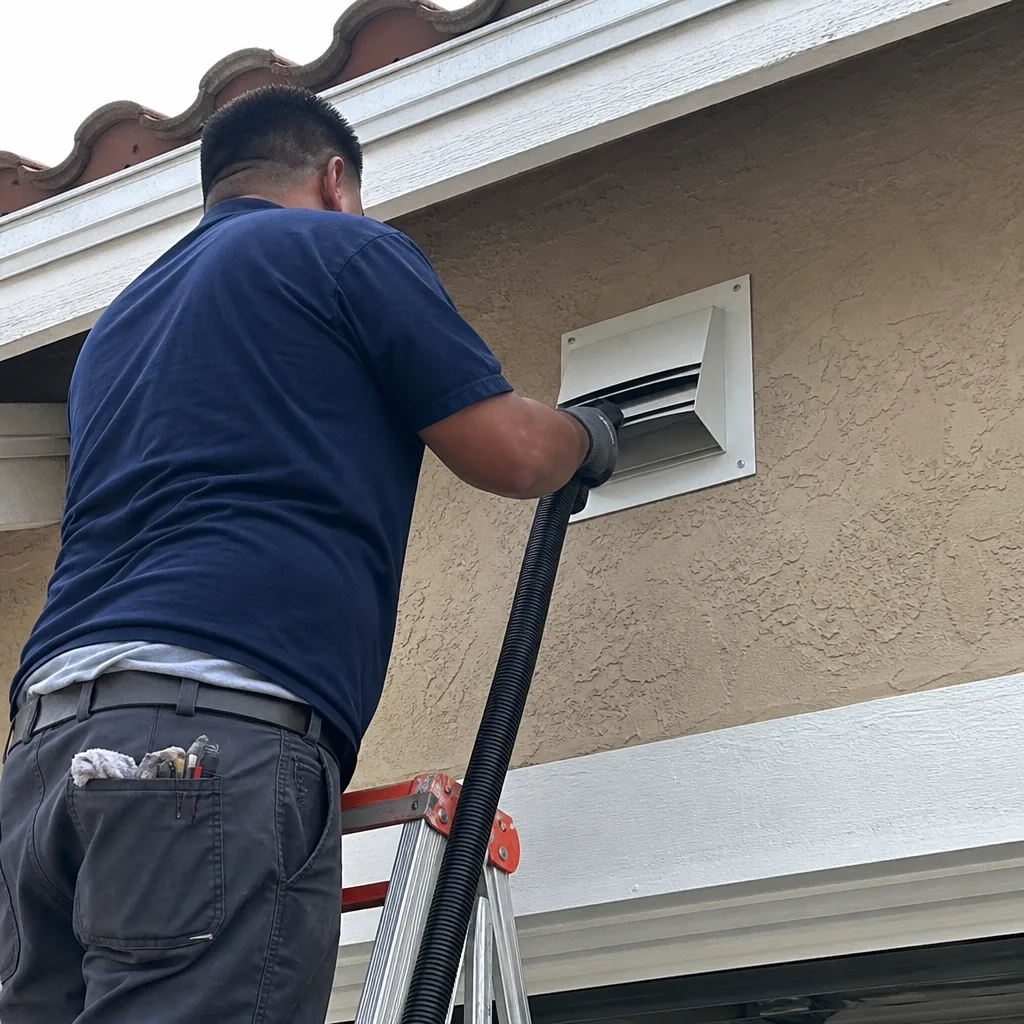
Whole-system duct and dryer vent check with before-and-after photos - you see exactly what came out of your vents
That "$99 whole-house special" is a bait ad - the real number appears once they are in your hallway, or the "clean" is a shop-vac at the register. We photograph the inside of your ducts before and after instead.
Air Duct Cleaning Maintenance Checklist for Mira Mesa Homeowners
The single most useful thing a homeowner in Mira Mesa can do between professional duct cleanings costs nothing and takes ten minutes: tape a single white tissue over a supply register while your system runs. What that tissue does (or doesn’t do) tells you more about your duct health than most paid HVAC inspections. This guide turns you into an informed observer of your own system. You’ll learn how to read airflow, filter buildup, attic connections, and seasonal shifts specific to Mira Mesa’s climate, so you know when your ducts need attention and when they’re fine. No fear tactics, no upsells. Just a maintenance checklist built for the way homes actually behave in this part of San Diego.
Quick Answer
An air duct maintenance checklist for Mira Mesa homeowners should include quarterly airflow observation at each register, monthly filter checks adjusted for wildfire smoke season, twice-yearly visual inspection of accessible flex duct connections in the attic, and phone-camera documentation of duct interiors at least once a year. These observations are free, take under an hour total per quarter, and tell you exactly when to schedule a professional cleaning or air duct repair in Mira Mesa rather than guessing based on a calendar.
Styles & brands we work with
- Whole-home duct cleaning
- Dryer vent cleaning
- Camera inspection
- Sanitizing & deodorizing
Table of Contents
- Quarterly Register-by-Register Airflow Observation
- Filter Inspection Intervals for Mira Mesa’s Two Seasons
- Documenting Duct Condition with Your Phone Camera
- What to Look for in Attic Flex Duct Connections
- Reading the Signs: Dust, Smell, and Sound Changes
- When to Schedule an Inspection vs. a Full Cleaning
- A Seasonal Maintenance Map for Mira Mesa
- Common Mistakes to Avoid
Quarterly Register-by-Register Airflow Observation
Most Mira Mesa homes have between eight and fourteen supply registers depending on square footage and layout. Most homeowners never check a single one unless a room feels uncomfortable. The tissue test changes that.
Here’s the method we recommend to homeowners throughout Mira Mesa, from the older single-story tracts near Mira Mesa Boulevard to the newer developments up toward Camino Ruiz:
- Set your thermostat to fan-only mode (not heat or cool). This removes temperature variables and isolates airflow.
- Close all windows and exterior doors. You want the system operating as it normally would.
- Tape a single white tissue, unfolded, over the face of one supply register. Painter’s tape works best and won’t leave residue on the register.
- Wait exactly 10 minutes. Don’t rush this. The tissue needs time to show you a pattern.
- Photograph the tissue with your phone. Then move to the next register and repeat.
What you’re looking for:
- Tissue lifts fully and floats horizontally: Strong airflow. This register is likely fine.
- Tissue lifts partially or flutters weakly: Reduced airflow. Could indicate a crushed flex duct, a disconnected branch, or a buildup of debris inside the duct run.
- Tissue barely moves or hangs limp: Severe airflow restriction. Something is wrong in that branch line, and it’s usually visible from the attic if you know what to look for.
- Tissue blows outward but the air feels weak at adjacent registers: You may have a damper imbalance or a return-side issue. In Mira Mesa homes with single central returns, this is common in back bedrooms farthest from the air handler.
Compare registers to each other, not to an abstract ideal. A master bedroom register that blows twice as hard as a spare bedroom register is telling you something about the path that air takes to get there. Our Mira Mesa air duct cleaning team has walked into homes where one disconnected branch line had been silently wasting conditioned air into the attic for months, and the homeowner noticed nothing until they did this test.
Run this observation four times a year. Quarter changes are easy to remember: January, April, July, October. Fifteen minutes per session, phone in hand, notes app open.
Filter Inspection Intervals for Mira Mesa’s Two Seasons
Mira Mesa has two filter seasons, and they are not equal. Understanding this saves you money and keeps your system running cleaner between professional air duct cleaning in Mira Mesa.
Wildfire smoke season (roughly August through November, sometimes starting in July): Mira Mesa sits in a geography that receives drift smoke from fires in East County, Riverside, and occasionally northern Baja. During these months, your filter is doing heavy work. Inspect it every two weeks. A filter that would last three months in coastal air can load up in ten days during a smoke event. If you see gray or brown discoloration across more than half the filter face, it’s already past time to change it. We’ve seen filters in Mira Mesa homes turn the color of wet cardboard within two weeks of a major smoke event. That’s fine. That means the filter was working. What’s not fine is leaving it in place for another month because the calendar says so.
Marine layer months (roughly May through July, plus intermittent “June gloom” and “May gray” patterns): Coastal moisture means your filter catches less particulate but may hold more humidity. The risk here isn’t loading, it’s microbial growth on a damp filter surface. Inspect monthly. If the filter feels damp to the touch or you notice a musty smell from the return grille, replace it regardless of visible discoloration. A damp filter in a dark return plenum is an invitation for biological activity.
The rest of the year: Monthly inspection, change based on visual loading. For most Mira Mesa households without pets and without a smoke event, a MERV 8 filter lasts 60 to 90 days. Homes with shedding pets often see 30 to 45 days. Homes that run their system constantly during heat waves will load filters faster simply because air is moving through them more hours per day.
Write the date on the filter frame with a permanent marker when you install it. Your future self will thank you. And if you’re replacing filters more than monthly during normal conditions, that’s a signal that your ductwork is contributing debris from inside the system, not just the outside air passing through it.
Documenting Duct Condition with Your Phone Camera
You can’t see most of your ductwork. It runs through attics, chases, and between floors. But you can see the first few inches of every supply register and return grille, and that visible slice tells you more than most homeowners realize.
Here’s a documentation method we recommend to every Mira Mesa homeowner who asks us “how do I know if my ducts are actually getting worse, or if I’m just paying more attention now?”
- Remove a supply register cover (two screws, sets aside easily) and take your phone.
- Set your phone to video mode and start recording. Don’t use flash. Natural or room light is enough.
- Insert the phone camera just past the register opening, pointed into the duct run. You don’t need to reach far. A few inches of visible duct surface is sufficient.
- Pan slowly left and right. Record the boot, the first section of duct, and the connection point.
- Repeat for every accessible register and the return grille. Save these videos in a dedicated phone album labeled with the date.
Do this once in the spring and once in the fall. After a year, you have a visual record. The next time you record, you can compare directly. Watch for:
- Surface buildup that wasn’t there before: A thin film is normal. Dense, fuzzy, or uneven patches of debris are not.
- Changes in flex duct shape: Sagging, pinching, or compression at bends tends to worsen over time and won’t be visible from inside the living space until airflow drops significantly.
- Connection gaps: The seam where the register boot meets the duct run is a common failure point. A gap that was hairline in March and finger-width in October needs professional attention.
- Moisture staining or dark discoloration on duct surfaces: In Mira Mesa’s coastal climate, any persistent dampness inside the duct deserves investigation.
This baseline approach is something most HVAC companies never tell homeowners to do, because they’d rather be the only ones looking. But an informed homeowner is a better client. When you call us and say “I have video from March showing a gap at the hall register that’s doubled in size,” the conversation starts at a higher level.
What to Look for in Attic Flex Duct Connections
Most Mira Mesa homes built in the last thirty years use flexible ductwork in the attic: insulated, wire-supported tubes that run from a central plenum to each register. Flex duct is affordable and effective when installed correctly. It’s also the most common failure point in residential systems because the connections at each end are held by zip ties and foil tape, and attics in this part of San Diego get brutally hot in summer.
If you can safely access your attic, put on a dust mask, bring a flashlight, and look at your flex duct twice a year. You’re not looking for general condition. You’re looking for three specific things:
- Sagging between support points: Flex duct should have visible support straps every four to five feet. Longer spans without support will sag, and sagging creates a U-shape where condensation and debris accumulate. In Mira Mesa attics that hit 140 degrees in July, a sagging duct also stretches the inner liner and reduces airflow diameter.
- Separation at the connection collar: Look at where each flex duct attaches to the main plenum. The outer insulation jacket should be taped fully around the collar. If you see a gap between the silver tape and the duct itself, or if you can see the bare inner liner exposed, that connection has started to fail. Air is leaking into your attic, and you’re paying to condition a space you don’t live in.
- Kinked or crushed sections: Flex duct should run in gentle curves. Sharp 90-degree bends, spots where a duct is crushed under stored boxes or displaced insulation, or sections that pass through tight spaces between framing members are all restrictions. Air still flows, but turbulence increases and static pressure builds. Your blower works harder. Your energy bill trends upward.
One more thing specific to Mira Mesa: the warm, dry Santa Ana winds in fall carry fine dust that finds its way into attics through any vent gap. That dust settles on duct exteriors and, over enough years, works its way into any imperfect connection. A disconnected or partially separated flex duct in a dusty attic doesn’t just leak air. It pulls attic dust directly into the airstream you breathe.
If you see separation, don’t try to reattach it with duct tape from the hardware store. The foil-faced tape that’s rated for duct connections is not the same as general-purpose gray duct tape, and a bad repair that fails in two weeks won’t save you money. This is when a professional air duct repair in Mira Mesa makes sense. The repair is usually straightforward, the materials are specific, and the cost is far lower than continuing to leak conditioned air into a 140-degree attic.
Reading the Signs: Dust, Smell, and Sound Changes
Your duct system gives you signals long before it fails. The trick is learning to read them as information instead of noise.
Dust. Every home in Mira Mesa gets dust. The marine layer brings in fine coastal particulates, the Santa Anas bring in inland grit, and your family generates skin cells and fiber dust constantly. The question is timing. If you dust a surface and it’s visibly coated again within three days, the source is likely your duct system recirculating captured debris, not your environment. If dust accumulates fastest on surfaces directly below supply registers, that’s the confirmation.
Smell. A dusty, acrid, or “attic-like” odor that comes only when the system is running points to things living in or passing through your ductwork. In Mira Mesa, we’ve seen everything from dead rodents in return chases to years of accumulated cooking oil film on duct liner. If the smell fades when the system is off and returns when it’s running, the ducts are part of the problem. A persistent musty odor during marine layer months often signals a return-side leak pulling damp crawlspace or attic air into the system.
Sound. Your system makes the same hum for years. When that changes, something changed. A whistling at a register that wasn’t there before usually means a damper has shifted or a connection has separated and air is escaping. A thumping or rhythmic flapping from the attic often means a section of flex duct has come loose from its support and is moving with the airflow. A grinding or buzzing from the unit itself is a mechanical issue and should go to an HVAC technician immediately.
None of these signs alone means “you need duct cleaning right now.” But two or more together, especially after you’ve done your quarterly airflow observation, is a clear signal that something in the system has changed since the last time you looked. That’s when a professional assessment makes sense. Our experience with air duct cleaning in Mira Mesa homes is that most homeowners notice something and wait six months before acting. By the time we arrive, the problem is more extensive than it needed to be.
We run Rotobrush and Nikro systems on our cleaning jobs because these are professional-grade tools built for residential ductwork that’s actually dirty, not for routine surface dust. The equipment matters because half-measures don’t fix what a year of ignoring a signal creates.
When to Schedule an Inspection vs. a Full Cleaning
Not every duct concern requires a full professional cleaning. This is the part where most duct cleaning companies fail the honesty test, because every phone call about “something seems off with my vents” becomes a $500 cleaning recommendation whether it’s needed or not. We want you to have a better decision framework.
Schedule an inspection (usually shorter, more targeted, and lower cost) when:
- Your quarterly tissue test shows one register with significantly weaker airflow than the others.
- You documented a connection gap in your attic that seems to be growing.
- You notice a new sound from one specific area of the system.
- A smoke event has passed and you suspect significant particulate loading but don’t see visible buildup at accessible registers.
- You’ve had a renovation, reroofing, or pest issue that may have introduced debris or damaged ducts.
Schedule a full cleaning when:
- Visible buildup at multiple registers is dense, fuzzy, or uniform across the system.
- You’ve been in the home more than three years and have never had the ducts cleaned, and you notice dust returns within days of wiping surfaces.
- Your camera documentation shows progression of buildup from year to year.
- There’s evidence of active contamination: rodent droppings in the return, visible mold growth on duct surfaces, or a persistent musty odor that doesn’t clear.
- A previous owner had pets, and you’re seeing hair and dander in the registers despite thorough house cleaning.
An inspection can determine whether a full cleaning is warranted. It should not be a sales meeting in disguise. We carry the Abatement Technologies air filtration and containment equipment on our jobs because when contamination is real, you can’t just vacuum it out and call it done. You need negative pressure and filtration so the debris doesn’t resettle through the house. If you’re not seeing that kind of contamination, you don’t need that kind of equipment yet.
A Seasonal Maintenance Map for Mira Mesa
Here’s the Mira Mesa-specific seasonal rhythm, condensed into a single reference list. Mark your calendar, set phone reminders, and this becomes a fifteen-minute habit with enormous return.
January – March
- Airflow observation: Run the tissue test once this quarter.
- Filter: Monthly visual check. Moderate loading from winter heating use.
- Attic check: Post-rain season. Look for any signs of moisture intrusion near duct runs after heavy winter storms.
- Priority task: Check the return grille for dust caking across the slats. Many homes go all winter with a partially blocked return and don’t realize it.
April – June
- Airflow observation: Run the tissue test in April.
- Filter: Monthly visual check. Marine layer begins. Check for damp filters in June.
- Camera documentation: Spring baseline recording at all accessible registers.
- Priority task: Listen for any hissing or air-escape sounds at register edges. This is the season when we find the most flex duct separations in Mira Mesa, likely because spring temperature swings stress aging zip ties and tape.
July – September
- Airflow observation: Run the tissue test in July.
- Filter: Every two weeks during wildfire smoke season. This is non-negotiable if you live in any part of Mira Mesa.
- Attic check: Early morning or late evening only, attic temperatures are dangerous during the day. Check for sagging flex duct caused by extreme heat.
- Priority task: Note your energy bills. A sudden jump that isn’t explained by rate increases or weather may indicate a duct leak you haven’t found yet.
October – December
- Airflow observation: Run the tissue test in October.
- Filter: Two-week checks continue through the end of Santa Ana season, usually November.
- Camera documentation: Fall baseline recording. Compare against spring footage.
- Priority task: After the first Santa Ana wind event, check all return-side connections for dust accumulation at seams. Santa Ana dust is fine and finds every gap.
This rhythm adapts to the way Mira Mesa actually experiences weather. It’s not a generic four-season checklist because we don’t have four seasons in the way a national HVAC website assumes. We have marine layer, wildfire, Santa Ana, and rain. Each one stresses your duct system differently.
Common Mistakes to Avoid
- Changing filters on a calendar schedule instead of inspecting them. A smoke event can load a filter in ten days. A mild coastal month can leave the same filter nearly clean after thirty. You don’t change filters because time passed. You change them because they’re loaded. Look first, decide second.
- Assuming a clean filter means clean ducts. Your filter only catches what passes through it. Debris already inside the duct system, past the filter, is recirculated until physically removed. A clean filter is not evidence of a clean system.
- Ignoring one register because “that room doesn’t get used.” A disconnected duct in a guest bedroom still leaks air every time the system runs, and that leak is in your attic, not your guest room. The bypassed room is a symptom of a system-wide problem.
- Using a consumer shop vacuum to “clean” the first few inches of a register. This pushes fine debris deeper into the duct run and gives you the illusion of progress. The visible first inches are the least important part of the duct. This is why professional equipment matters. Rotobrush and Nikro systems were built for exactly this job, not adapted from garage tools.
- Closing registers in unused rooms to “save energy.” In most Mira Mesa homes with a single-zone system, closing registers increases static pressure in the whole system and can push air past imperfect connections in the attic. You’re not saving energy. You’re redirecting it into your attic.
- Waiting until someone in the house has persistent allergy symptoms to look at the ducts. Dust, dander, and particulate buildup is cumulative. The system doesn’t suddenly become dirty the week someone starts sneezing. It’s been building. Early observation catches it sooner.
- Calling any HVAC company for duct cleaning and assuming the equipment doesn’t matter. Some companies show up with a portable vacuum and a brush mounted on a drill, and call it duct cleaning. The result is a clean-looking first six inches and a system that’s still loaded deeper in. Ask what equipment the company uses. If they can’t name the system, that’s your answer.
See the difference
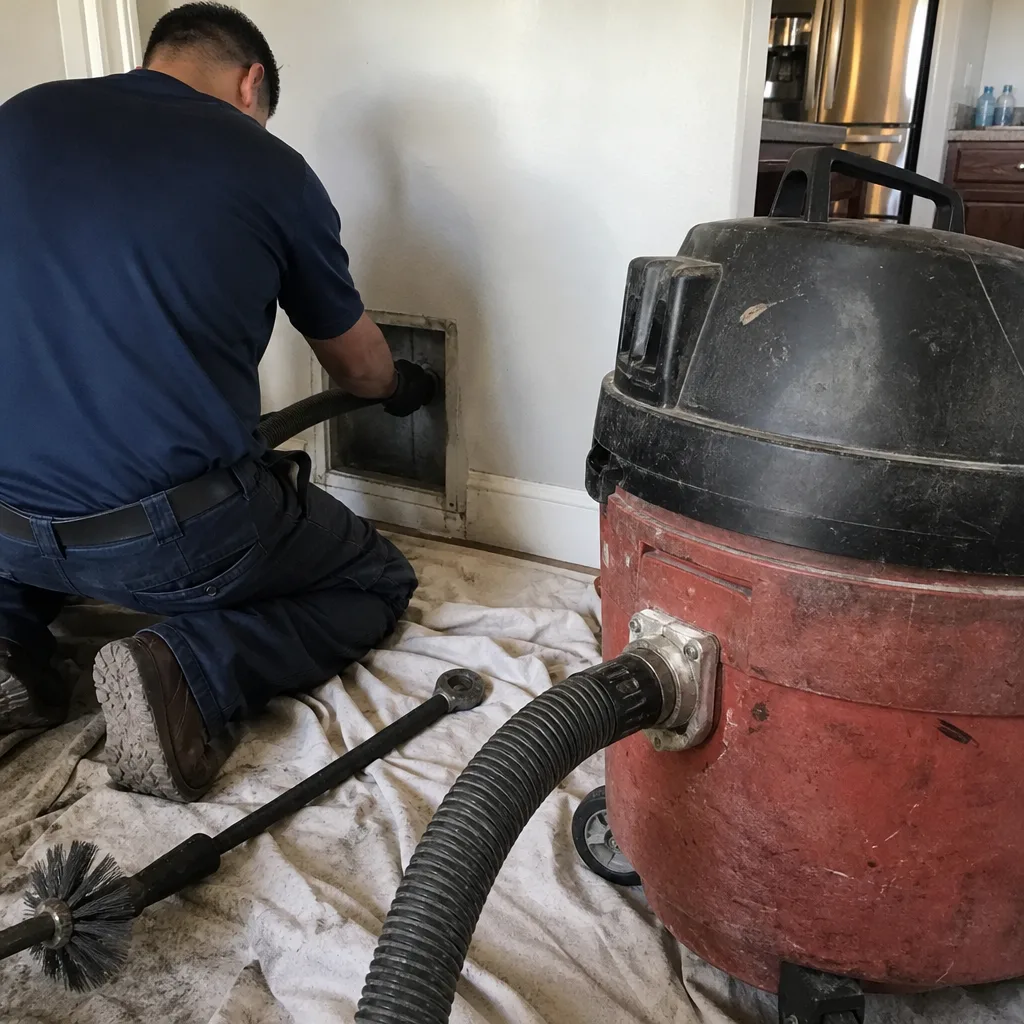 Before
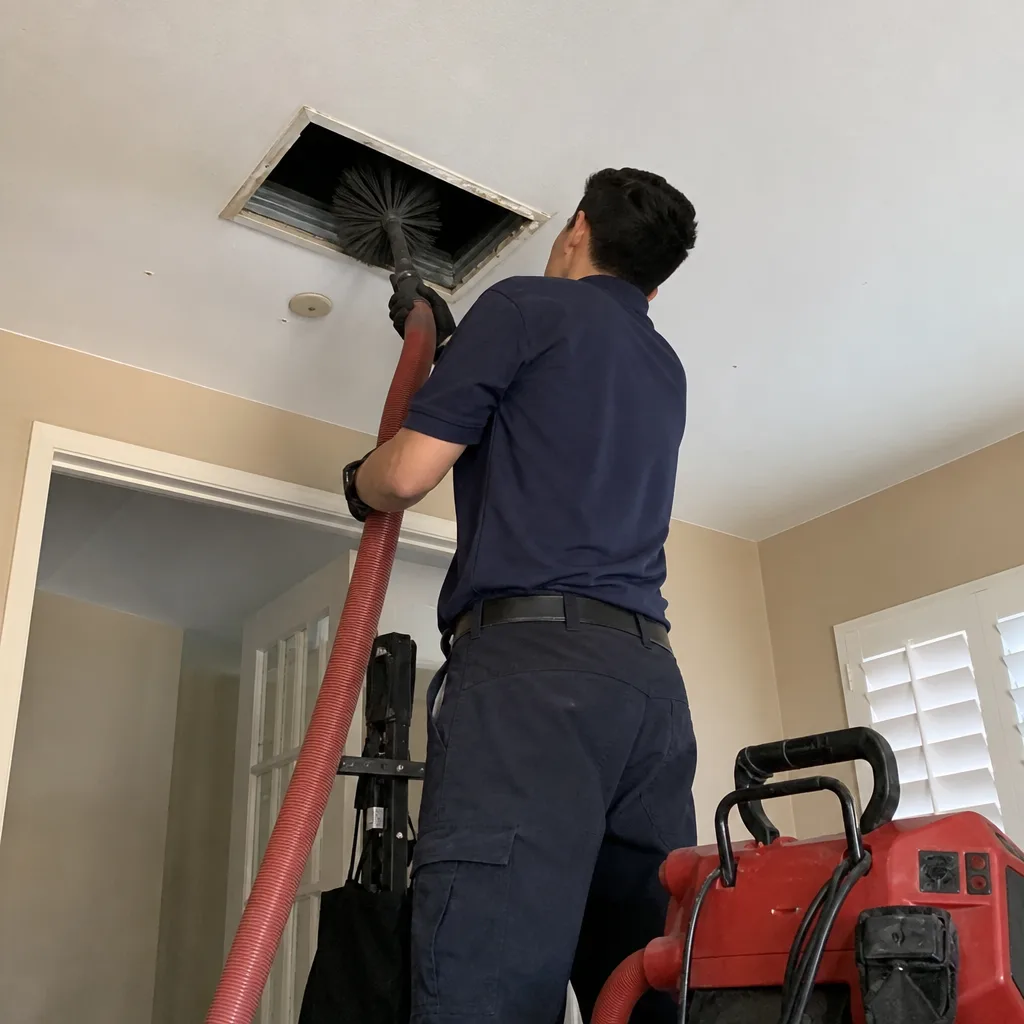 After
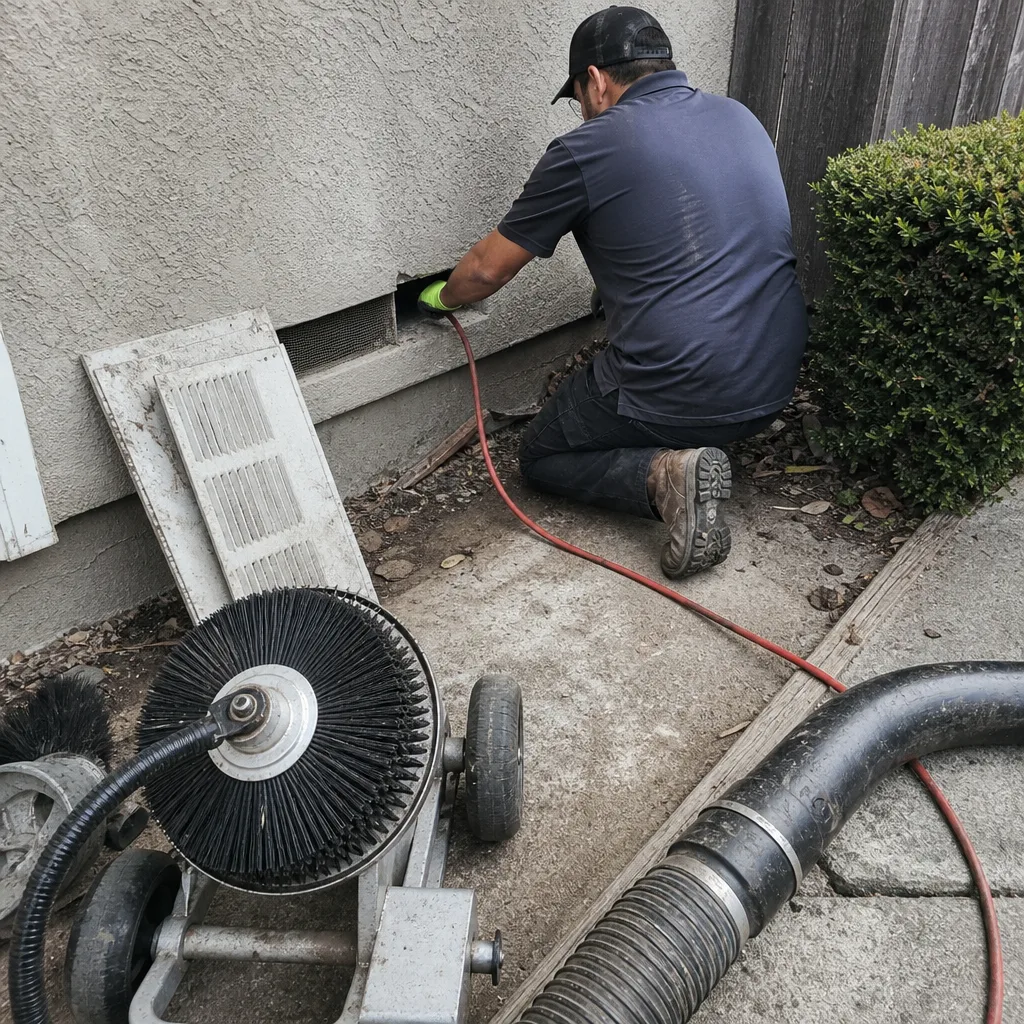 Before
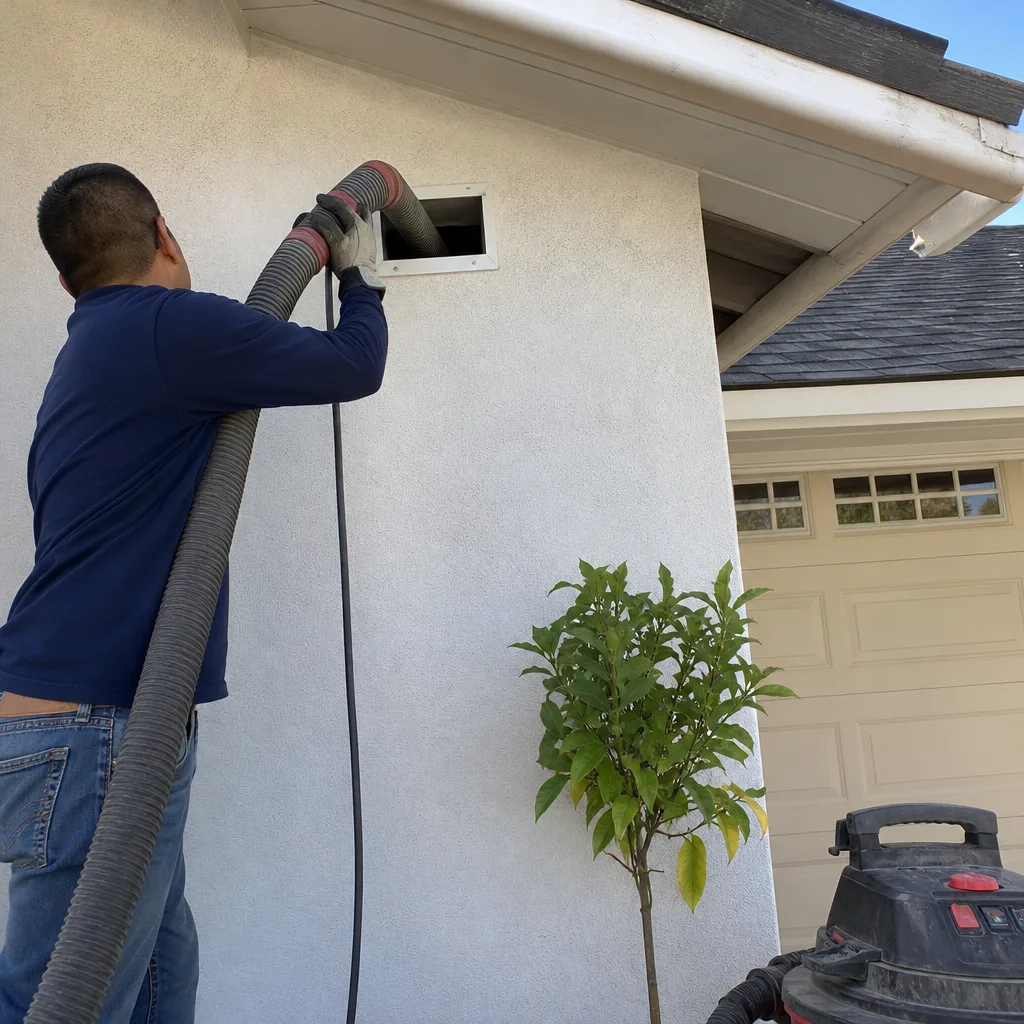 After
 Before
 After
When to Call a Professional
Bring in a professional when your observations reveal a pattern you can’t correct at the register: a tissue test that shows one branch line moving far less air than its neighbors, a camera recording that documents a growing gap at a flex duct connection, a filter that loads within days of replacement, or a persistent odor that returns every time the blower runs. Also call if you’ve discovered evidence of pests in the duct system, or if a smoke event has passed and you’re seeing gray residue on every register face despite running your fan continuously. Air Duct Cleaning Mira Mesa offers free estimates in Mira Mesa. Call (833) 734-7428 for an honest assessment of what you’re seeing. We’ll tell you if you need a cleaning, a repair, or nothing at all. We service the full duct health picture: air duct cleaning, dryer vent cleaning, and air duct repair. We know Mira Mesa homes, we know the climate patterns, and we know what these systems look like when they’ve been ignored for a decade.
Frequently Asked Questions
Professional air duct cleaning in Mira Mesa typically runs between $400 and $800 for a standard single-family home, depending on the number of registers, the accessibility of the ductwork, and the level of contamination. Homes with severe buildup, evidence of pests, or duct repair needs will fall at the higher end. Anyone quoting $99 whole-house duct cleaning is not doing whole-house duct cleaning. Call (833) 734-7428 for a specific quote based on your system, not a square-footage formula.
The low-ball quotes come from operations that spend twenty minutes per register with a portable vacuum and call it done. They’re not cleaning the full duct run, they’re not containing the debris, and they’re often using equipment that was never designed for residential ductwork. The quote is cheap because the service is incomplete. When you compare, ask what system they run and how they contain the debris they dislodge. If they can’t answer both, the price difference tells you what you’re actually buying.
Ask for before-and-after visibility. A professional cleaning should include documentation of what the ducts looked like before and after, whether that’s camera footage of the duct interiors or photographs taken at accessible points. At Air Duct Cleaning Mira Mesa, we maintain before-and-after documentation so you can see what was removed. If a company refuses to show you anything, assume nothing was done. Call (833) 734-7428 and ask us about our documentation process before you book.
For most Mira Mesa homes, a professional cleaning every three to five years is sufficient if you’re maintaining filters and the system shows no signs of contamination. Homes with shedding pets, wildfire smoke exposure, previous construction debris, or resident allergy sensitivities may benefit from more frequent cleaning. No honest contractor recommends annual duct cleaning as a routine matter. Your quarterly observations will tell you if your system needs attention sooner than the three-to-five-year mark.
Cleaning removes debris from inside the duct run. Repair addresses the physical condition of the ductwork itself: separated connections, crushed flex duct, torn insulation jackets, disconnected branches, or damaged register boots. A cleaning can’t fix a separated connection, and a repair won’t remove accumulated debris downstream. Homes in Mira Mesa often need both, because years of deferred maintenance lead to both dirty and damaged systems. We offer air duct repair as a standalone service for exactly this reason.
Yes, and the mechanism is straightforward. Buildup inside the duct run narrows the effective diameter, increasing resistance to airflow. Your blower runs longer to satisfy the thermostat. Longer blower run times mean more electricity consumption per degree of cooling. A severely restricted system can add 10 to 20 percent to your cooling costs during Mira Mesa’s hottest months. Clean ducts plus intact connections mean the air your system conditions actually reaches the rooms it’s meant for instead of leaking into the attic or fighting through debris. For an assessment, call (833) 734-7428.
The Bottom Line
Duct maintenance in Mira Mesa isn’t a calendar event. It’s a habit of observation: tissue tests four times a year, filter checks adjusted for our two real seasons, camera documentation every spring and fall, and a twice-yearly look at attic connections. These free habits catch problems at the stage where they’re simple to fix, before they become expensive to ignore. When your observations tell you something has changed, act on it. Air Duct Cleaning Mira Mesa is here for the full picture: cleaning, repair, and dryer vent service with professional-grade equipment and honest assessment. Call (833) 734-7428 for a free estimate and answers to any question this guide didn’t cover.
Written by the team at Air Duct Cleaning Mira Mesa, serving Mira Mesa since 2011.