
Last updated November 2, 2026
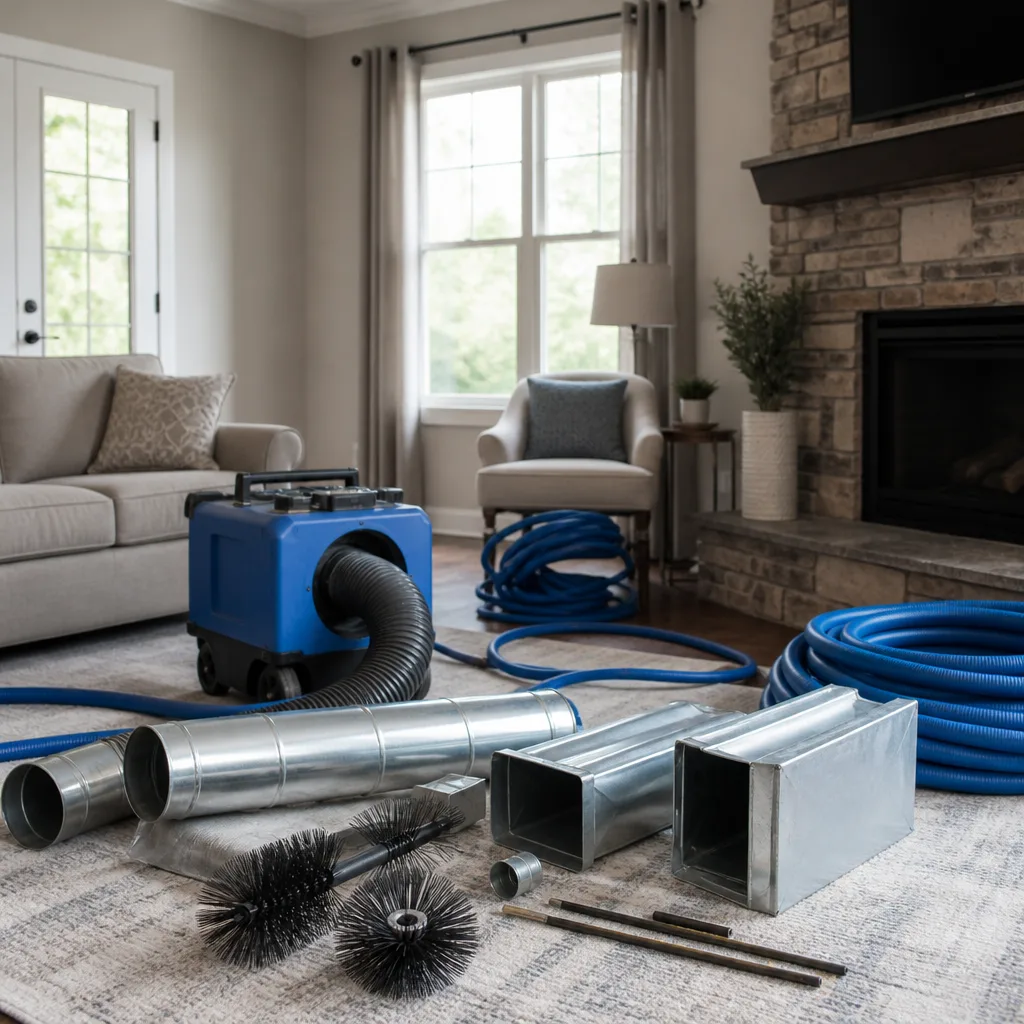 Whole-home duct cleaning
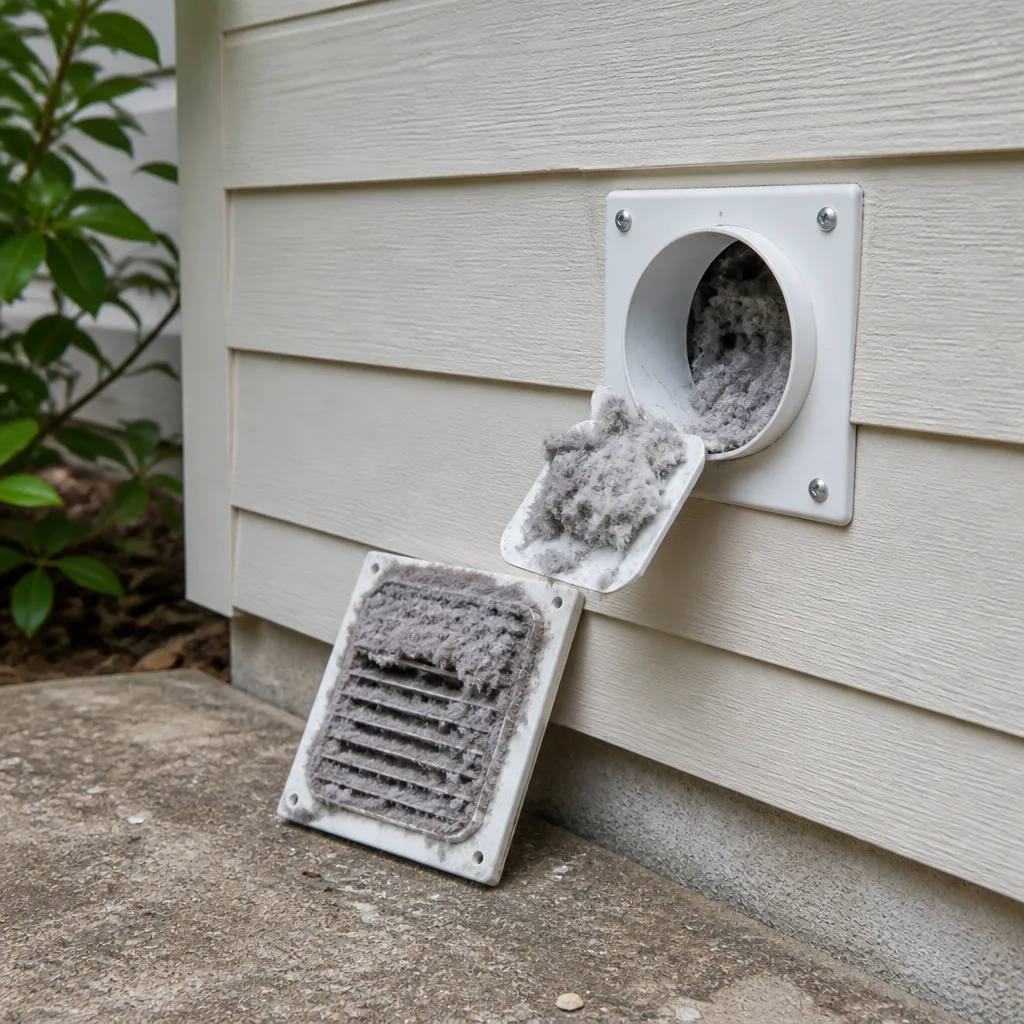 Dryer vent cleaning
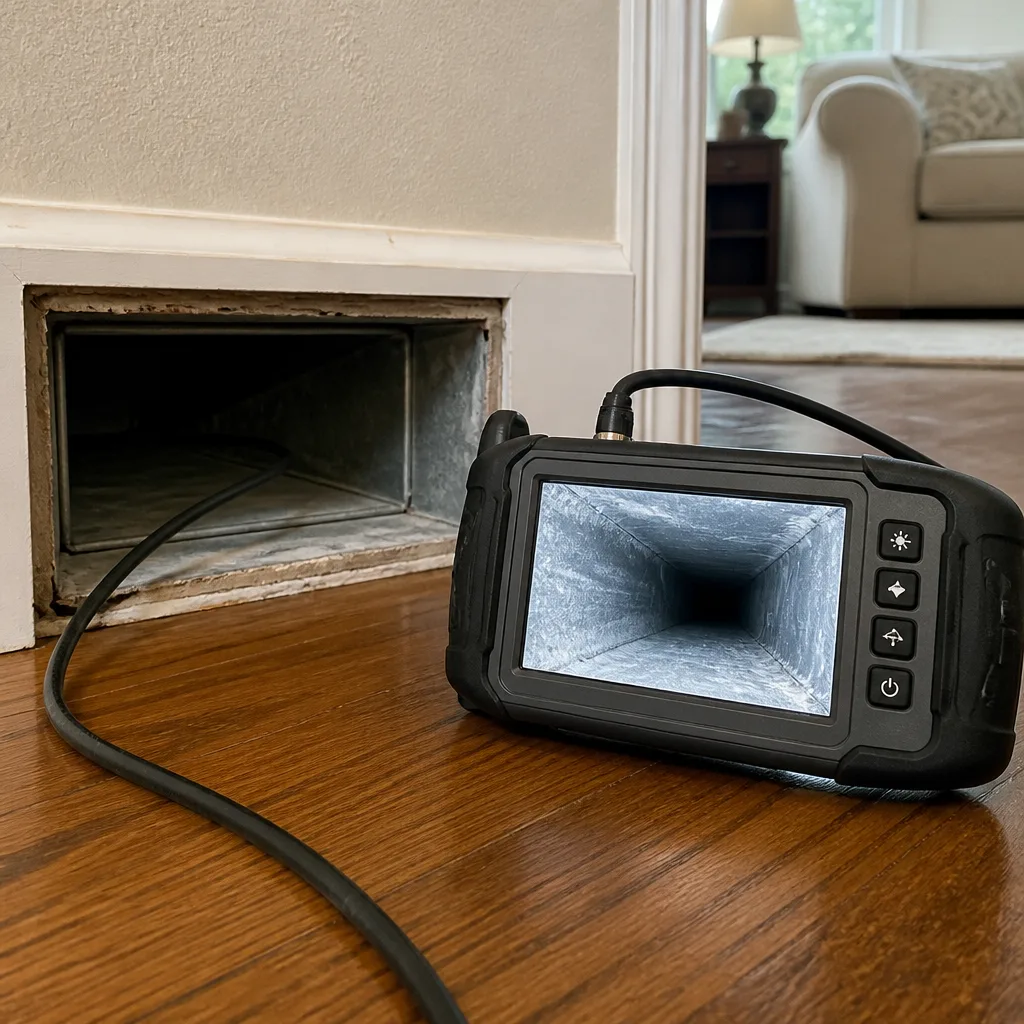 Camera inspection
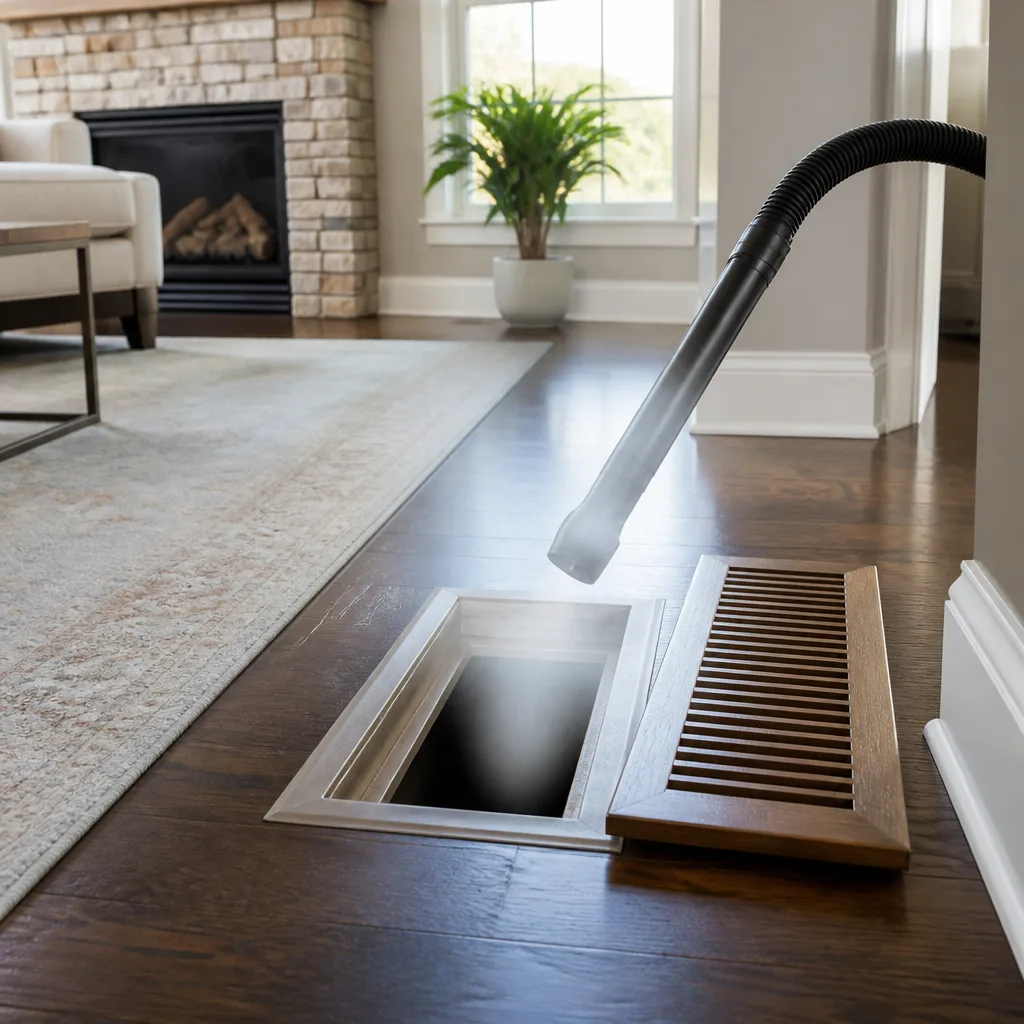 Sanitizing & deodorizing
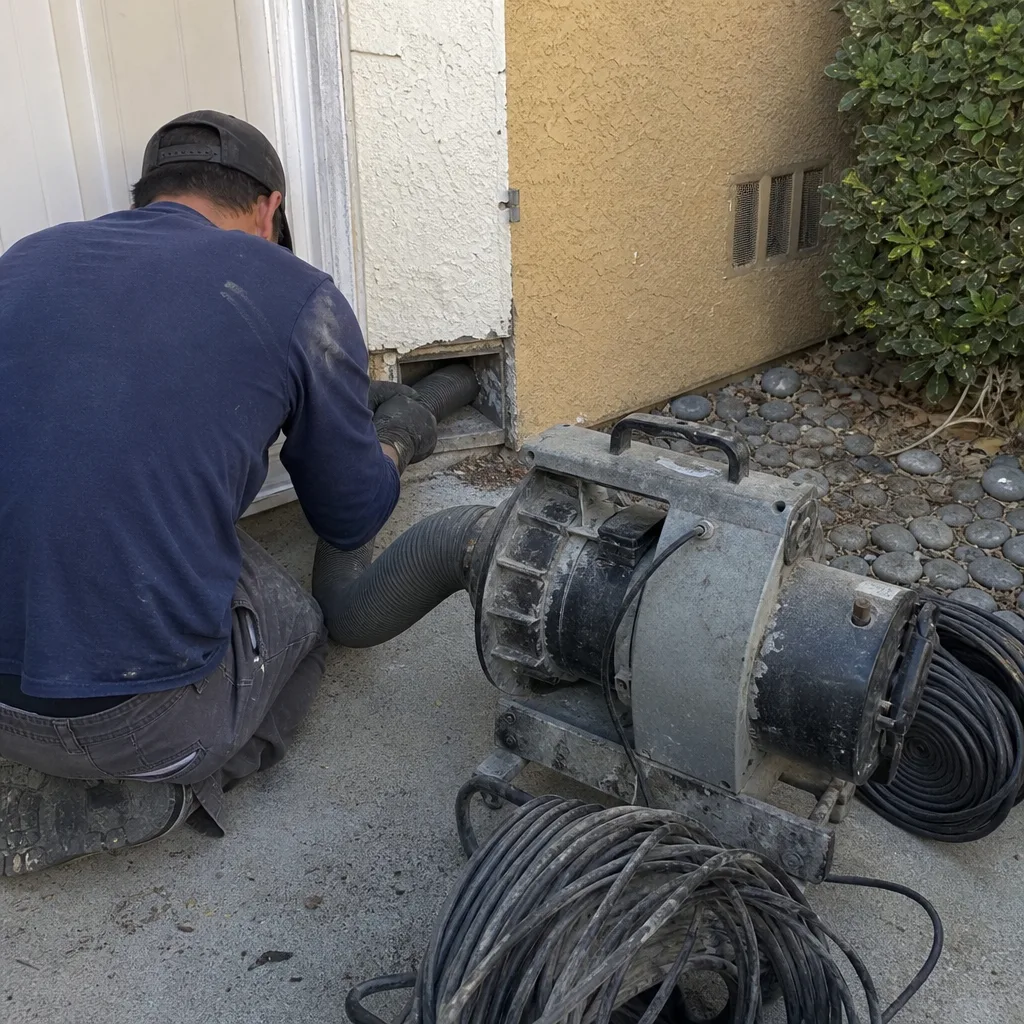
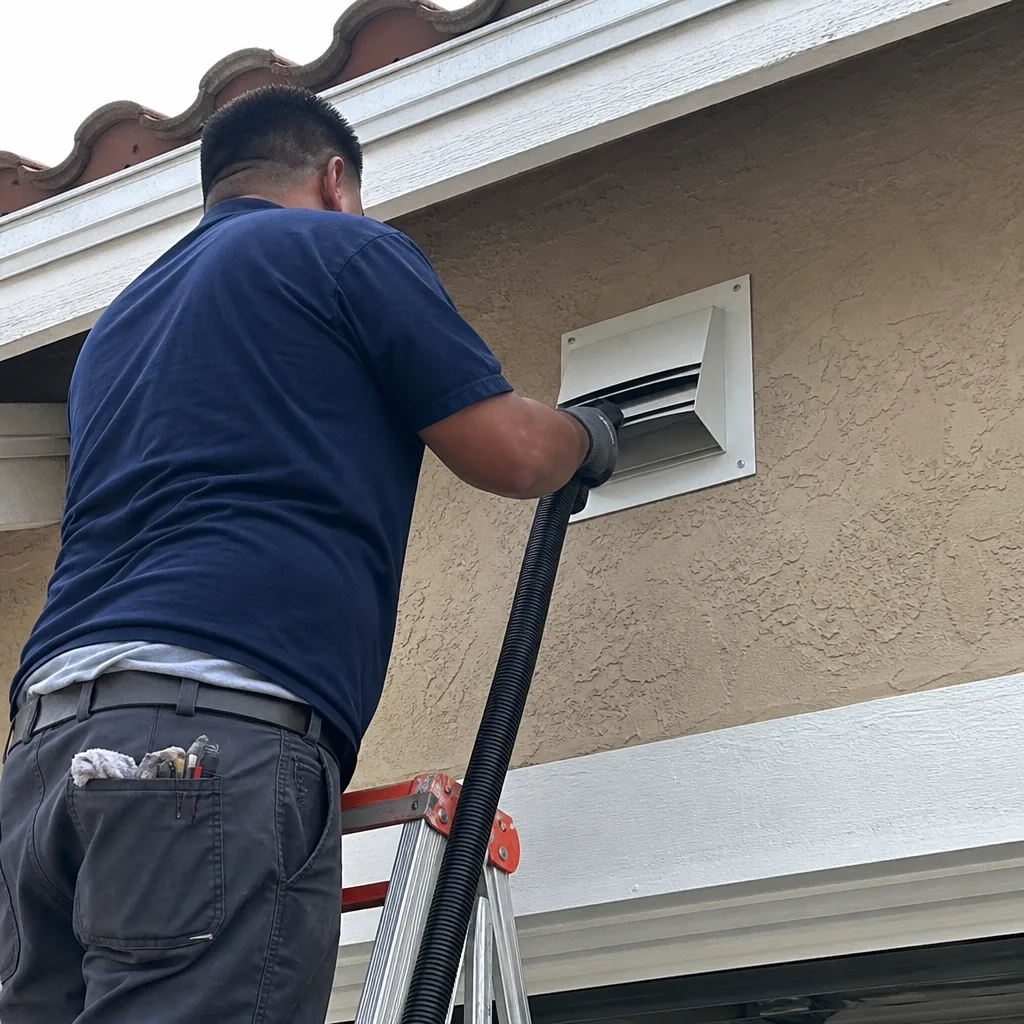
Whole-system duct and dryer vent check with before-and-after photos - you see exactly what came out of your vents
That "$99 whole-house special" is a bait ad - the real number appears once they are in your hallway, or the "clean" is a shop-vac at the register. We photograph the inside of your ducts before and after instead.
Air Duct Cleaning Permits, Codes & Inspections in CA: What You Need to Know
Here’s the counterintuitive reality most California homeowners don’t learn until it’s too late: air duct cleaning itself requires no permit anywhere in the state, but the moment a technician cuts into a duct, replaces a section, or reseals a plenum, that job legally crosses into repair territory, which almost always requires a building permit. In Mira Mesa, where homes built in the 1970s and 1980s are now hitting the age where ductwork fails, this distinction matters more than most people realize. This guide draws the clean line between cleaning (no permit) and repair (permit required), explains how San Diego’s building department enforces it, and shows you how to verify your ductwork won’t become a resale headache down the road. For homeowners who want to go deeper, our Air Duct Cleaning Warning Signs: A Mira Mesa Homeowner’s Reference Guide covers the red flags that indicate when cleaning alone isn’t enough.
Styles & brands we work with
- Whole-home duct cleaning
- Dryer vent cleaning
- Camera inspection
- Sanitizing & deodorizing
Quick Answer
Air duct cleaning in California does not require a building permit because it’s classified as routine maintenance, not construction. However, air duct repair, modification, or replacement almost always requires a permit from your local building department, and in California, post-repair duct leakage testing (HERS verification) is legally required under Title 24 when the work is permitted. If you’re in Mira Mesa, the City of San Diego building department handles these permits, and the inspection process is specific enough that we’ll walk through exactly what to expect. For Air Duct Cleaning services that stay within the maintenance exemption, no permit is needed at all.
Table of Contents
- The Legal Line: Cleaning vs. Repair Under California Code
- Title 24 and Duct Leakage: Why Your Energy Compliance Is on the Line
- How the City of San Diego Handles Duct Repair Permits in Mira Mesa
- HERS Testing Explained: When It’s Required and What It Costs
- How to Identify Unpermitted Duct Work from a Previous Contractor
- The Invoice Distinction: Why “Cleaning” vs. “Repair” Language Matters
- Insurance, Liability, and Permits: What Your Policy Actually Covers
- Common Mistakes to Avoid
- When to Call a Professional
- Frequently Asked Questions
- The Bottom Line
The Legal Line: Cleaning vs. Repair Under California Code
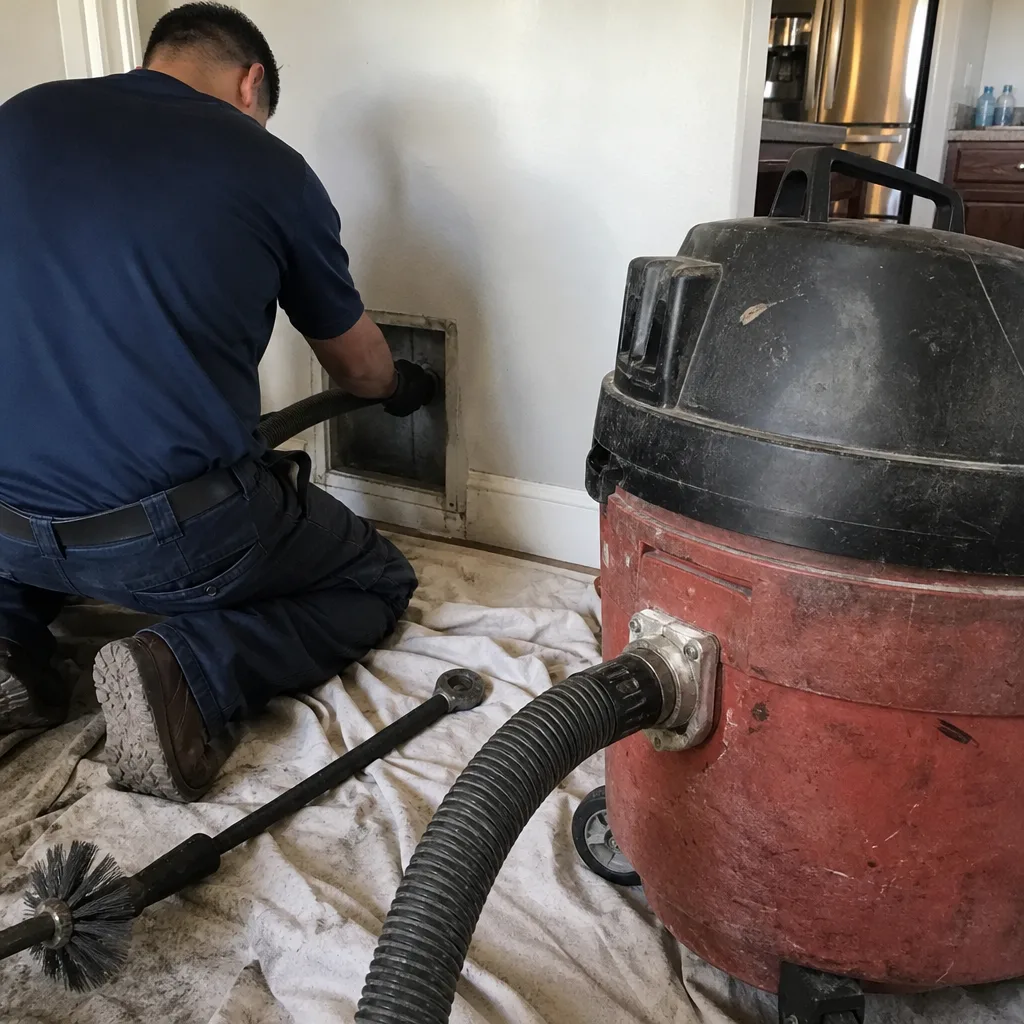
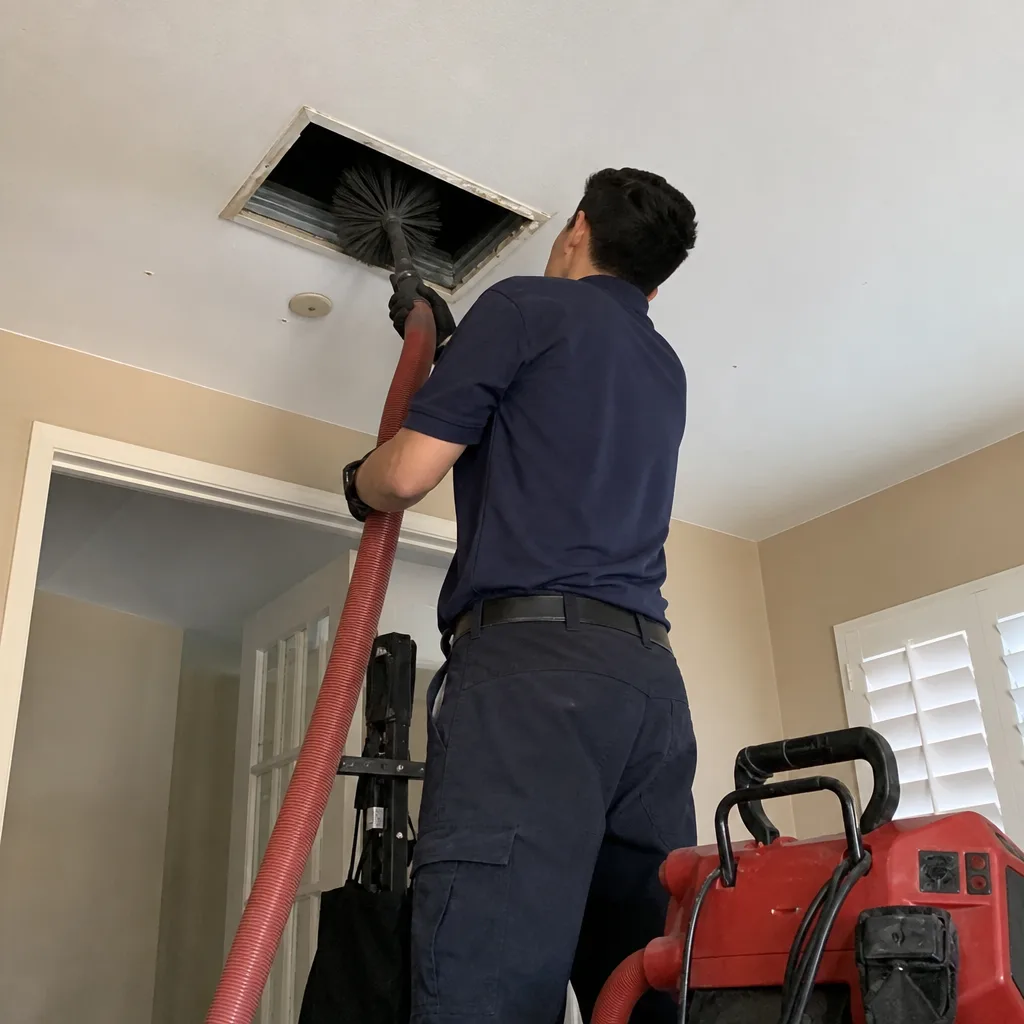
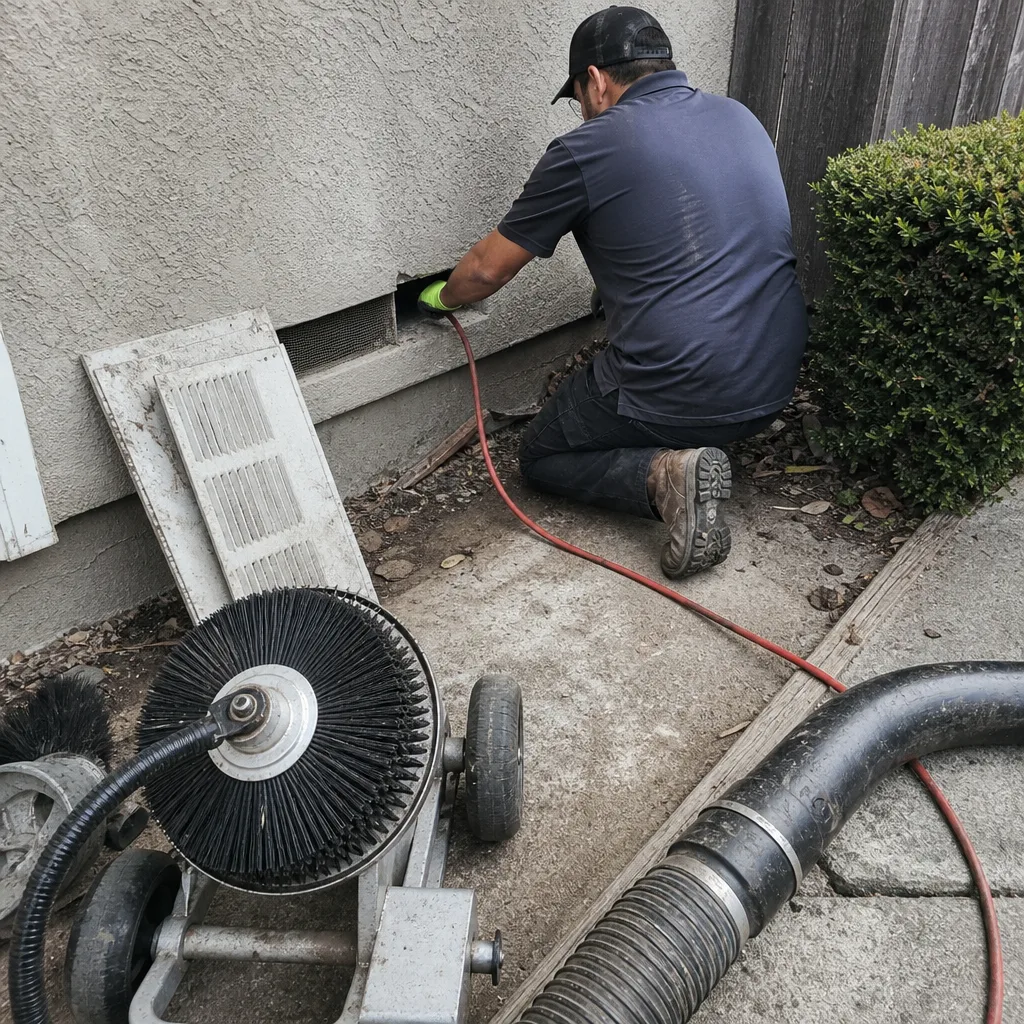
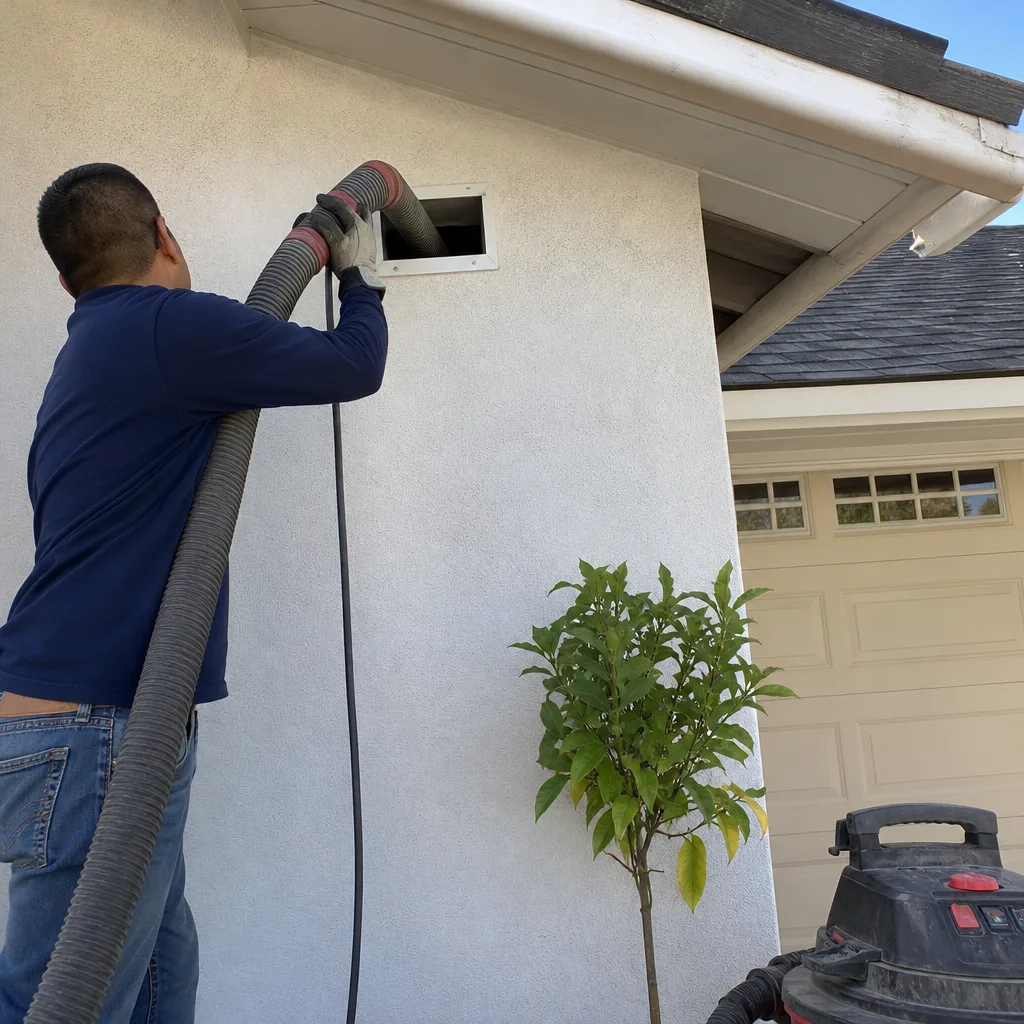
California Building Code (CBC) Section 105.1 states that any construction, alteration, or repair of a building’s mechanical system requires a permit. But the code also carves out exemptions for what it calls “ordinary repairs.” Here’s where it gets specific: the California Mechanical Code defines duct cleaning as maintenance, not construction. Cleaning means removing accumulated debris from existing ducts using brushes, vacuums, and agitation equipment. Nothing is cut, replaced, or structurally altered.
The moment a technician does any of the following, the job legally becomes repair, and a permit is required:
- Cutting into a duct run to access a section that can’t be reached through registers
- Replacing a section of damaged duct, even if it’s only a two-foot piece
- Resealing joints, elbows, or plenum connections with mastic or tape
- Replacing a register boot where it connects to the drywall or floor
- Modifying duct layout, including adding a branch, rerouting, or upsizing
- Replacing the supply plenum or return air box, even partially
In our experience working on air duct repair in Mira Mesa, we’ve seen homeowners surprised by this. A technician shows up to clean, finds a crushed return duct, and offers to “patch it up” while they’re there. That patch is an alteration. It needs a permit. And the reason isn’t bureaucratic nitpicking. California enforces this because ductwork sits inside walls, attics, and crawlspaces where mistakes hide for years before they show up as mold, leakage, or fire hazards.
What does a permit cost? In the City of San Diego, duct repair permits are typically classified under the mechanical permit category. Permit fees generally run in the $75 to $150 range for residential duct work, depending on the valuation of the job. But the permit itself is the cheap part. The bigger cost is the compliance testing that comes with it, which we’ll cover in the HERS section below.
Here’s the takeaway that matters for Mira Mesa homeowners: if you’re only having your ducts cleaned, no permit is needed, no inspection is required, and no city record will be created. If you’re having ducts repaired, a permit should be part of the quote. A contractor who tells you otherwise is putting you at risk.
Title 24 and Duct Leakage: Why Your Energy Compliance Is on the Line
California’s Title 24 energy code doesn’t just set efficiency standards for new construction. It also governs how duct systems must perform when they’re altered. Specifically, Section 150.0(m) of the 2022 Energy Code (the version currently in effect for most projects) requires that when ducts are installed or replaced, they must meet maximum leakage thresholds. For a standard residential system in Mira Mesa, that typically means no more than 5% leakage of total system airflow, tested at 25 pascals of pressure.
Why does this matter for a duct repair? Because when you pull a permit for duct replacement or significant modification, the City of San Diego requires a HERS (Home Energy Rating System) rater to verify that your repaired or replaced duct system meets that leakage standard. If your ducts leak more than the code allows, you don’t get your permit signed off until the problem is fixed.
This is where the legal muscle of Title 24 comes in. A duct repair done without a permit is, by definition, a duct repair that was never tested for leakage. That means:
- You have no documentation that your duct system meets California’s energy efficiency requirements
- You may be leaking 15-20% of your conditioned air into your attic or crawlspace without knowing it
- Your energy bills reflect that loss every single month
- At resale, you’re required to disclose any unpermitted work you know about, and real estate disclosure forms specifically ask about it
The Mira Mesa angle here is real. Homes in the 92126 zip code were largely built before Title 24 duct leakage standards existed. Many still have original ductwork with fibrous glass insulation and taped joints that degrade over decades. When that ductwork fails and a homeowner patches it without a permit, the patch job preserves the original leakage problem. The permitted repair path, by contrast, forces the whole repaired system to be tested. That’s the opposite of a paperwork burden. It’s a quality verification.
We’ve seen this exact scenario play out. A homeowner in the Park Village area of Mira Mesa had a section of return duct replaced by a handyman for $300. No permit, no testing. Two years later, they sold the home and had to disclose the unpermitted work on the Transfer Disclosure Statement. The buyer’s inspector flagged it. The deal almost fell through. The remediation cost $1,800. The permit would have cost $200 and given them a compliance certificate to show at resale.
How the City of San Diego Handles Duct Repair Permits in Mira Mesa
The City of San Diego’s Development Services Department (DSD) is the authority for Mira Mesa. Duct repair permits fall under their mechanical permit category, and the process is more streamlined than many homeowners expect, but it does have specific steps.
Here’s what the process looks like for a typical duct repair project in Mira Mesa:
- Permit application. Your contractor submits a mechanical permit application to DSD, either online through their ePermit portal or in person at the Ridgehaven office. The application includes a scope of work and a valuation of the job.
- Plan review (if required). Simple duct replacements often sail through over-the-counter review. Larger modifications, like rerouting ducts or adding zones, may require plan review by a DSD mechanical reviewer. In Mira Mesa, that’s the same office that handles all residential HVAC work in the city.
- Permit issuance. Once approved, the permit is issued. The fee depends on the job valuation. For most residential duct repairs, expect $75 to $150 in city fees, plus California’s Building Standards Commission surcharge.
- Work performed. The contractor does the duct repair or replacement work under the permit.
- HERS testing. Before final inspection, a certified HERS rater tests the duct system for leakage and documents compliance with Title 24. This test is ordered by the contractor but paid for by the homeowner, typically $150 to $350 for a single-family home.
- Inspection by DSD. A city inspector visits the property to verify the work matches the permit scope, the HERS cert is on file, and the installation meets mechanical code. This is typically a 15-20 minute visit.
- Final sign-off. The permit is finalized, and you receive documentation that the work was inspected and approved.
One thing that surprises homeowners is how fast this can go. If a contractor knows the process, a straightforward duct replacement in Mira Mesa can go from permit application to final sign-off in under two weeks. The bottleneck is almost never the city. It’s contractors who don’t want to pull permits and will tell homeowners the process is slow, expensive, and unnecessary. It isn’t any of those things.
If you’re working with a company that handles air duct cleaning in Mira Mesa and they identify duct damage that needs repair, ask them directly: “Are you pulling a permit for this repair?” The answer tells you everything you need to know about how they operate.
HERS Testing Explained: When It’s Required and What It Costs
HERS stands for Home Energy Rating System. It’s California’s standardized system for verifying energy code compliance, and it exists because the state learned decades ago that builders and contractors will say things are efficient without proof. HERS raters are independent, certified third parties. They don’t work for the contractor. They work for the verification of compliance.
Here’s when HERS testing is legally required for duct work in California:
- New duct installation (whole-home replacement or new construction): Always required
- Duct replacement (more than 40 linear feet or more than 25% of the system altered): Required in most jurisdictions, including San Diego
- Duct repair (sealing, patching, joint resealing): Required if the permit triggers Title 24 compliance, which it typically does for any alteration beyond a minor patch
- Duct cleaning only: Never required, because no alteration occurs
The test itself is straightforward. The rater temporarily seals all registers and uses a calibrated fan to pressurize the duct system to 25 pascals. Then they measure how much air leaks out. The result is expressed as a percentage of total system airflow. For most Mira Mesa homes with a typical 3-4 ton system, the pass threshold is around 6-8% leakage, depending on the specific system configuration and the code cycle applied.
What does it cost? In the San Diego market, HERS duct leakage testing typically runs between $150 and $350 for a single-family home, depending on system size and accessibility. That’s on top of the permit fee. For that money, you get a verified, documented number that tells you exactly how tight your ducts are.
Here’s a comparison that matters: the average California home loses 20-30% of its conditioned air through leaky ducts. A properly sealed and tested duct system loses under 5%. In Mira Mesa, where summer cooling loads are significant from June through October, the difference can be $300 to $500 per year in energy costs. The testing isn’t a hurdle. It’s the only way to confirm the repair actually fixed the problem.
We consider HERS verification one of the most important steps in any air duct repair in Mira Mesa. If a contractor replaces your ducts and doesn’t test them, you’re paying for a promise, not a result. The test exists so you don’t have to take anyone’s word.
How to Identify Unpermitted Duct Work from a Previous Contractor
You’re buying a home in Mira Mesa. Or you’ve lived in one for 15 years and had work done at some point by someone you can’t quite remember. How do you know if the ductwork was altered legally or not?
Here’s the step-by-step process we recommend:
- Check the city’s permit records. The City of San Diego has an online permit lookup tool. Enter your address and you’ll see every permit pulled for that property. If there’s no mechanical permit matching the duct work you can see, that’s a red flag.
- Look at the ducts themselves. Mastic-sealed joints with visible brush strokes are a modern, code-compliant practice. Old gray duct tape, dried-out tape, or taped joints that are peeling indicate age or handyman work. Most unpermitted repairs use tape, not mastic, because tape is faster and the person doing the work isn’t inspecting it against code.
- Check for a HERS certificate. If the work was permitted and involved Title 24 compliance, a HERS certificate was generated. Ask the seller for it. If they can’t produce one and the ducts have clearly been replaced, assume the work was unpermitted.
- Look for mixed duct types. A Mira Mesa home with original flexible duct in one section, newer rigid duct in another, and two different insulation types is a telltale sign of piecemeal repairs. Each repair was likely done under the radar.
- Ask for receipts and permits. If the seller is honest, they’ll tell you. But the absence of documentation is itself documentation.
If you discover unpermitted duct work, you have options. You can pull a permit retroactively, have the work inspected, and bring it into compliance. The City of San Diego has a process for this, though it’s more involved than getting it right the first time. Some insurance policies have exclusions for losses tied to unpermitted work, so bringing things into compliance isn’t just about resale. It’s about making sure your coverage actually covers you.
The broader point: unpermitted duct work doesn’t erase itself. It shows up at resale, it shows up in insurance claims, and it shows up in higher energy bills. The fix is almost always to document, inspect, and correct. That’s the only path that closes the loop.
The Invoice Distinction: Why “Cleaning” vs. “Repair” Language Matters
Here’s a detail that gets overlooked in nearly every discussion of duct permits: the exact language on the invoice you receive from a contractor. It matters more than you’d think.
When a contractor cleans your ducts, the invoice should say “cleaning.” When they repair or replace ductwork, the invoice should say “repair” or “replacement” and should reference the permit number. These are not interchangeable terms. Here’s why the distinction matters:
- Insurance claims. If your home has a fire or water damage tied to ductwork, your insurance company will ask for documentation. If the invoice says “cleaning” but the work was actually a repair, that’s a discrepancy that can lead to a denied claim.
- Resale disclosure. The California Transfer Disclosure Statement asks about work done on the property. A homeowner who has an invoice for “duct cleaning” when actual repair work was performed may inadvertently mislead a buyer. Accurate invoices prevent that.
- Permit compliance. If no permit was pulled and the invoice says “repair,” that’s documentation of unpermitted work. If the invoice says “cleaning” and no repair occurred, no permit was needed. The words create the paper trail.
- Warranty claims. If a company offers a warranty on their work, the invoice defines what was warranted. “Cleaning” is not “repair.” Blurring the line blurs the warranty.
We’re specific about this because we’ve seen the confusion it causes. A homeowner calls us in Mira Mesa, says their previous contractor “cleaned” their ducts six months ago. We open the return and find a section of duct that was clearly replaced. The homeowner shows us the invoice. It says “cleaning.” That contractor did unpermitted repair work and papered over it with ambiguous language. The homeowner now has no permit, no HERS test, and an invoice that doesn’t match reality.
What should you ask for? An itemized job description. Before work begins, ask the contractor to specify exactly what they’ll do: cleaning only, or cleaning plus repair. If repair, ask for the permit number on the final invoice. If they can’t provide it, you have your answer.
Insurance, Liability, and Permits: What Your Policy Actually Covers
Here’s the uncomfortable truth about insurance and duct work: some homeowners insurance policies exclude coverage for damage caused by unpermitted work. Not all policies, but enough that it’s worth reading your policy language. The standard HO-3 form, which is the most common homeowners policy in California, covers sudden and accidental damage. But if the damage is traced to work that was done without required permits, the insurer may deny the claim on the grounds that the work was illegal.
This isn’t theoretical. The scenario plays out like this: a homeowner has unpermitted duct repair done in the crawlspace. Six months later, there’s a water leak at a repaired joint that damages the subfloor. The insurance adjuster asks for documentation of the duct work. There’s no permit. The claim gets denied or reduced. The homeowner is out thousands of dollars in repair costs that could have been covered.
The permit is not just a piece of paper. It’s a legal record that the work was done to code. It’s the documentation your insurance company needs to process a claim. It’s the line between “covered loss” and “your problem.”
There’s a secondary issue here too: contractor liability. A contractor who performs unpermitted work is exposing themselves and their client to legal risk. If a contractor refuses to pull a permit for work that clearly requires one, that’s not them saving you money. That’s them transferring legal risk to you. The permit protects you, not the contractor.
When we talk about duct repair in Mira Mesa, we’re clear on this point: the permit goes with the work. It’s not optional, it’s not an upsell, and it’s not negotiable. It’s the same legal framework that protects every other part of your home’s structure, and ductwork deserves the same standard.
Common Mistakes to Avoid
- Failing to ask whether the work needs a permit. Many homeowners assume their contractor will handle all legal requirements. That assumption is wrong. Always ask. If the answer is vague, get a second opinion.
- Accepting “cleaning” language on an invoice for work that included repair. This creates a paper trail that doesn’t match reality, which bites at resale, at insurance time, and at warranty time.
- Skipping HERS verification on a permitted repair. The permit isn’t final without the HERS test in San Diego. If your contractor says the test is optional, they’re wrong.
- Patching ducts instead of replacing them. In Mira Mesa homes with 40-plus-year-old ductwork, a patch is often a temporary fix that masks a bigger problem. Replacement under permit is sometimes the cheaper long-term option.
- Not checking permit records before buying a home. A 10-minute address lookup on the City of San Diego permit portal can reveal unpermitted duct work before it becomes your problem.
- Assuming a handyman duct repair doesn’t need a permit. Duct repair is mechanical work. It’s not cosmetic. The code applies regardless of who does it.
- Overlooking the disclosure requirement at resale. California law requires sellers to disclose known unpermitted work. If you know and don’t disclose, you’re creating legal exposure that can follow you after the sale closes.
When to Call a Professional
If you’re looking at duct work that’s damaged, crushed, disconnected, or was clearly repaired without a permit, that’s when a professional evaluation becomes worth the cost. We’re not talking about a cleaning here. We’re talking about the structural integrity of the system that moves conditioned air through your home.
You should call a professional when you see crushed duct runs in your attic or crawlspace, when you find disconnected joints, when insulation is missing or degraded, when you find evidence of pest intrusion in the ducts, or when you’re buying a home and the inspection flags duct issues. You should also call if you’ve had work done and you’re not sure whether it was permitted. A professional can assess the work, identify what was done, and tell you what needs to happen to bring it into compliance.
Air Duct Cleaning Mira Mesa offers free estimates in Mira Mesa. Call (833) 734-7428 to schedule a duct inspection. If we find repair work that needs a permit, we’ll handle that process from start to finish. You can also explore more guides & resources on our blog to understand your options before calling. We use professional-grade equipment including Rotobrush and Nikro systems for cleaning, and Abatement Technologies filtration equipment when contamination containment is needed. No guessing. No shortcuts. Just a clear path to duct work that’s documented, inspected, and legal.
Frequently Asked Questions
No, air duct cleaning does not require a building permit in California because it’s classified as routine maintenance with no structural alteration to the duct system. The City of San Diego treats duct cleaning the same way, so no permit, inspection, or city record is required for cleaning-only work.
In the City of San Diego, a mechanical permit for residential duct repair typically costs between $75 and $150 in city fees, depending on the valuation of the work. Add $150 to $350 for required HERS duct leakage testing, and total compliance costs for a typical Mira Mesa duct repair run roughly $225 to $500.
Unpermitted duct work can create problems at resale, in insurance claims, and in energy performance. You can address it by having a contractor assess the work, pulling a retroactive permit through the City of San Diego, and bringing the work into compliance with inspection and testing. Ignoring it doesn’t make it go away.
Yes, HERS duct leakage testing is required in California when a permitted duct repair or replacement triggers Title 24 energy code compliance. In San Diego, the permit cannot receive final sign-off without a passing HERS test, which verifies the repaired duct system leaks below the code maximum.
Ask for the permit number and verify it using the City of San Diego’s online permit lookup tool. If the contractor can’t provide a permit number for repair work, or if the invoice says “cleaning” when repairs were actually performed, that’s a red flag that the work may be unpermitted.
No, duct cleaning in Mira Mesa never requires a city inspection because no structural or mechanical alteration occurs. However, if your cleaning technician discovers damage that requires repair, that repair will need a permit and inspection. [Mention Air Duct Cleaning Mira Mesa home for cleaning services, and dryer vent cleaning in Mira Mesa for vent-specific needs.]
The Bottom Line
The line between cleaning and repair in California is bright and clear. One requires no permit. The other almost always does. Knowing which side of that line your duct work falls on isn’t just about avoiding a city violation. It’s about energy performance, insurance coverage, resale disclosure, and the documented integrity of the system that moves air through your home. In Mira Mesa, where aging ductwork is common and energy costs matter, getting this right saves money and protects your home’s value. If you’re uncertain where your duct work stands, a professional evaluation is the fastest way to get a clear answer. Call (833) 734-7428. We’ll tell you exactly what you’re looking at, and if a permit is needed, we’ll handle it.
Written by the team at Air Duct Cleaning Mira Mesa, serving Mira Mesa since 2011.
See the difference
 Before
 After
 Before
 After
 Before
 After